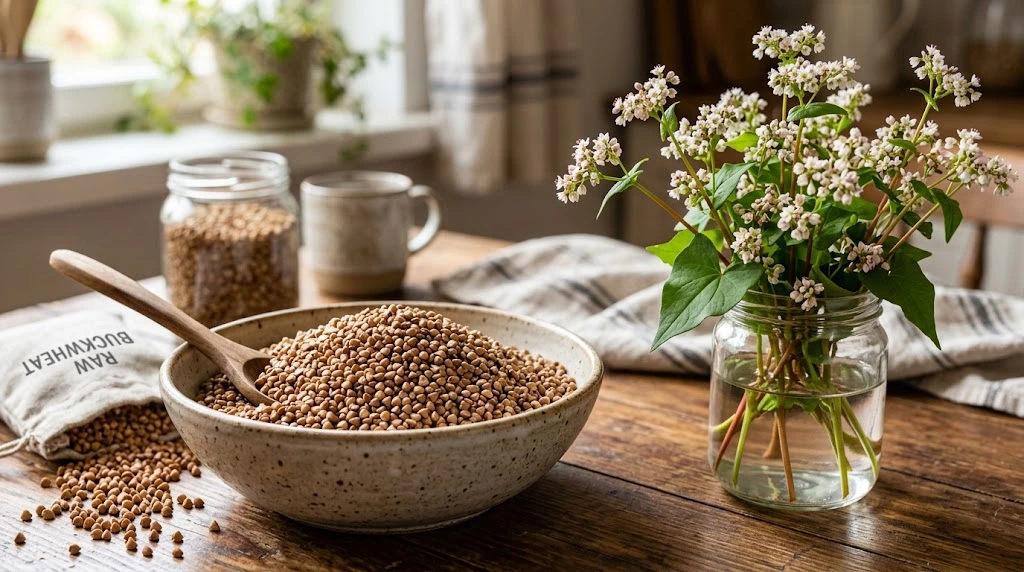

Pure Organic Buckwheat from GB: The Complete 2026 Guide to This Ancient Pseudocereal
Looking for a naturally gluten-free, nutrient-dense alternative to wheat and oats? Pure organic buckwheat from GB is rapidly becoming the UK’s favourite ancient grain — and for good reason. Whether you are searching for buckwheat flour to bake with, organic buckwheat groats for a hearty porridge, or simply want to understand why this buckwheat pseudocereal deserves a place in your pantry, this guide covers everything from health benefits and cooking methods to the best buckwheat flour recipes gluten free enthusiasts love.
- What Is Buckwheat? Understanding the Pseudocereal
- Why Choose Pure Organic Buckwheat from GB?
- Is Buckwheat Gluten Free in the UK?
- Buckwheat Nutrition: Complete Protein & Low Glycaemic Index
- Raw Buckwheat Groats vs Kasha: What’s the Difference?
- How to Cook Buckwheat Groats: A Simple UK Method
- Easy Buckwheat Flour Recipes (Gluten Free)
- Buckwheat vs Oats for Weight Loss & Blood Sugar
- Where to Buy Organic Buckwheat Flour & Groats in the UK
- Frequently Asked Questions
What Is Buckwheat? Understanding the Buckwheat Pseudocereal
Despite its name, buckwheat is not related to wheat at all. Botanically known as Fagopyrum esculentum, this buckwheat pseudocereal belongs to the same family as rhubarb and sorrel. The edible part is the triangular seed, which is processed into two main forms: whole buckwheat groats (hulled seeds) and buckwheat flour.
Because it is not a grass or true cereal, buckwheat offers a unique nutritional profile that differs from wheat, oats, and barley. It has been a staple across Eastern Europe, Russia, and Asia for centuries — used in everything from Japanese soba noodles to French galettes.
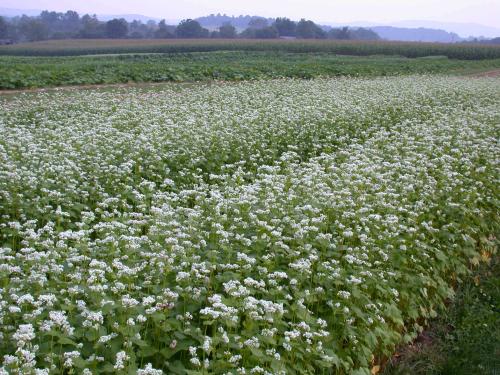
Organic buckwheat fields produce beautiful white flowers and thrive with minimal pesticide use.
Why Choose Pure Organic Buckwheat from GB?
When you choose buckwheat GB organic, you are selecting a product grown under strict UK and EU organic standards. Organic buckwheat requires fewer synthetic inputs than conventional cereals because the crop naturally suppresses weeds and attracts beneficial insects. This makes it an environmentally friendly choice for British consumers concerned about sustainable agriculture.
The UK holds approximately 7% of Europe’s buckwheat market share, driven by growing health awareness, gluten-free dietary trends, and rising demand for plant-based proteins. By sourcing organic buckwheat groats UK consumers support cleaner supply chains and reduced food miles compared to imported alternatives.
Is Buckwheat Gluten Free in the UK?
Yes — buckwheat is naturally gluten-free everywhere, including the UK. Coeliac UK officially lists buckwheat as a safe, gluten-free grain alternative. However, there is one critical caveat: cross-contamination.
Because buckwheat is often processed in facilities that also handle wheat, barley, or rye, it can pick up trace gluten particles. If you have coeliac disease or non-coeliac gluten sensitivity, always look for products that are:
- Explicitly labelled “gluten-free”
- Certified by Coeliac UK
- Processed on dedicated gluten-free lines
Many UK brands now offer gluten-free buckwheat flour milled in the UK using EU and non-EU buckwheat, carrying both organic and gluten-free certifications.
Buckwheat Nutrition: Complete Protein & Low Glycaemic Index
One of the standout features of buckwheat is its status as a complete protein. Unlike most plant foods, buckwheat contains all nine essential amino acids your body cannot produce on its own. This makes it invaluable for vegans, vegetarians, and anyone reducing meat consumption.
Buckwheat Glycaemic Index & Diabetes-Friendly Properties
For those managing blood sugar, buckwheat glycaemic index scores are impressively low — typically between 30 and 50, depending on preparation. Research shows that buckwheat-based meals produce lower post-meal blood glucose and insulin responses compared to refined wheat bread. The high fibre and polyphenol content slow carbohydrate absorption, making buckwheat a smart choice for type 2 diabetes prevention and weight management.
| Nutrient (per 100g cooked) | Buckwheat Groats | Oats (cooked) |
|---|---|---|
| Calories | 92 kcal | ~150 kcal |
| Protein | 3.4 g | 2.5 g |
| Carbohydrates | 19.9 g | 25 g |
| Fibre | 2.7 g | 2.3 g |
| Glycaemic Index | ~50 (Low) | 55–79 (Variable) |
| Gluten | None | Contains avenin / cross-contamination risk |
Rich in Rutin & Heart Health
Buckwheat is the record-holder for rutin among breakfast grains — a flavonoid that strengthens capillary walls, improves circulation, and reduces inflammation. Combined with high magnesium (231mg per 100g dry), buckwheat supports cardiovascular health, muscle recovery, and stress management.
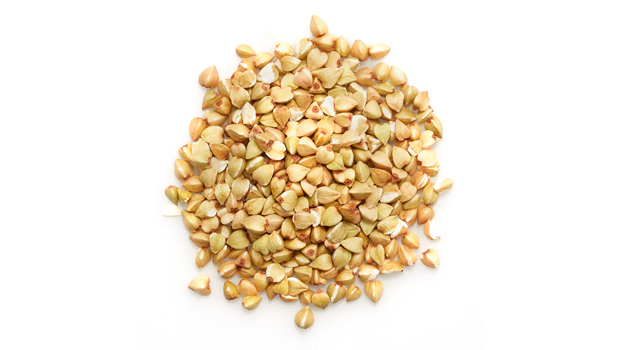
Raw organic buckwheat groats have a mild, nutty flavour and a pale greenish-tan colour.
Raw Buckwheat Groats vs Kasha: What’s the Difference?
A common source of confusion in UK shops is the difference between raw groats and kasha. Here is the simple breakdown:
- Raw Buckwheat Groats: These are the hulled, unroasted seeds. They are pale green to light tan, have a mild flavour, and work beautifully in salads, granolas, and raw recipes. They retain slightly more nutrients because they have not been heat-processed.
- Kasha (Toasted Buckwheat): This is simply raw buckwheat that has been dry-toasted until it turns reddish-brown. Kasha has a much stronger, nuttier, almost smoky flavour and cooks in roughly half the time. It is traditional in Eastern European porridges and pilafs.
Pro tip: If you find pre-toasted kasha too intense, buy raw organic buckwheat groats and toast them lightly at home in a dry pan for 2–3 minutes. This gives you control over the flavour depth while preserving texture.
How to Cook Buckwheat Groats: A Simple UK Method
Learning how to cook buckwheat groats UK-style is straightforward. The basic ratio is 1 part groats to 2 parts water, similar to rice but faster.
Basic Stovetop Method
- Rinse: Place 1 cup (200g) of raw organic buckwheat groats in a fine mesh sieve and rinse under cold water until the water runs clear. This removes any residual starch.
- Boil: In a saucepan, bring 2 cups (500ml) of water to the boil. Add a pinch of sea salt.
- Simmer: Stir in the rinsed groats. Reduce heat to low, cover, and simmer for 10–12 minutes until tender but not mushy.
- Rest: Remove from heat and let stand, covered, for 5 minutes.
- Fluff: Use a fork to separate the grains. Serve immediately or cool for salads.
Overnight Soak Method (Better Digestion)
Soaking buckwheat groats overnight in water with a splash of lemon juice or apple cider vinegar reduces phytic acid, improving mineral absorption and digestibility. In the morning, simply drain, rinse, and simmer for just 4–5 minutes.
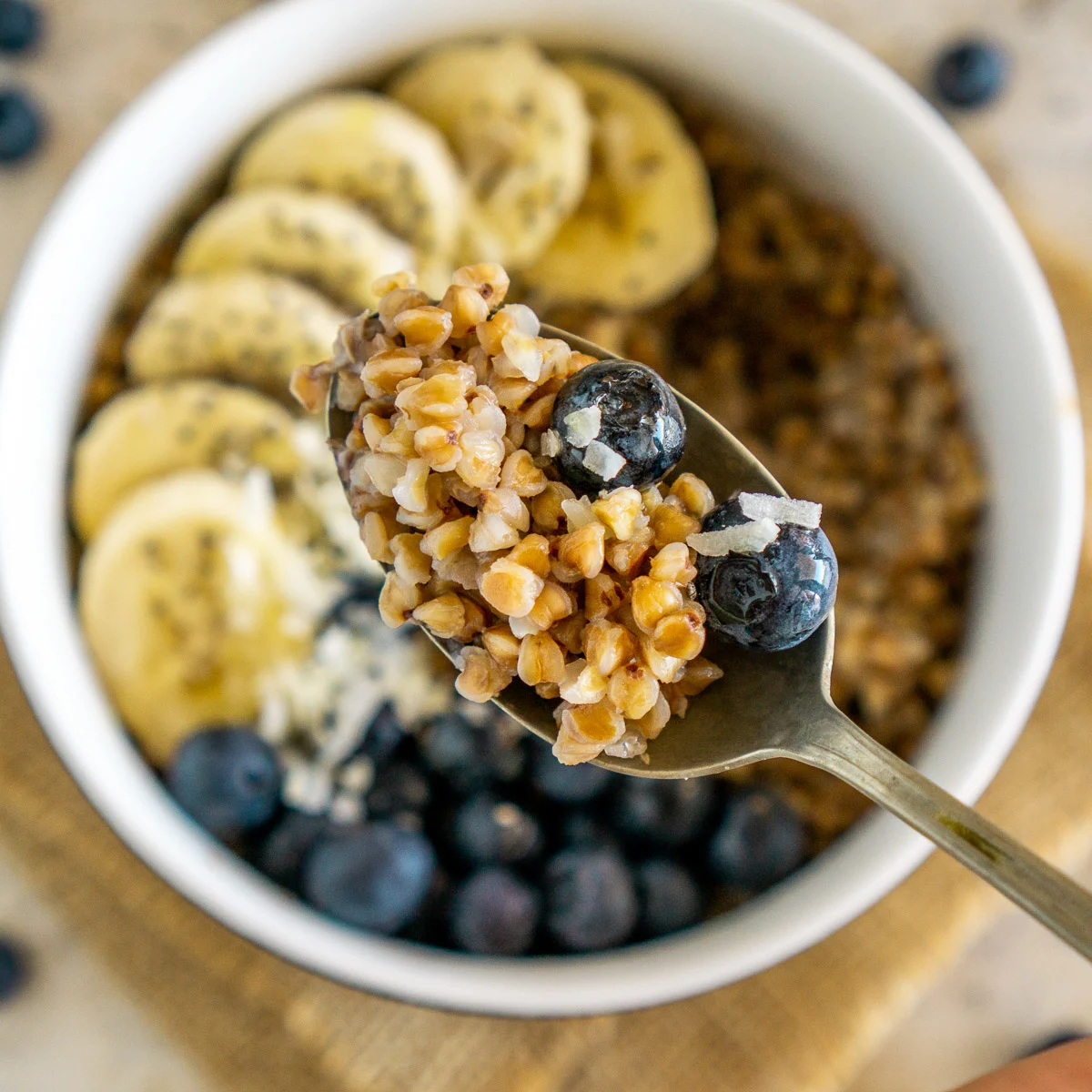
Buckwheat porridge makes a filling, gluten-free breakfast alternative to oatmeal.
Easy Buckwheat Flour Recipes (Gluten Free)
Buckwheat flour is incredibly versatile in gluten-free baking. Its earthy, nutty flavour pairs beautifully with chocolate, banana, cinnamon, and lemon. Here are three beginner-friendly buckwheat flour recipes gluten free families love:
1. Simple Buckwheat Porridge (Vegan)
Swap your morning oats for buckwheat. Soak 1 cup raw groats overnight. In the morning, simmer with coconut milk, almond milk, cinnamon, and maple syrup for 10 minutes. Top with berries and tahini for a complete protein breakfast.
2. Gluten-Free Buckwheat Crepes (Galettes)
Mix 250g buckwheat flour with 2 eggs, 500ml water, and a pinch of salt. Rest the batter for 30 minutes. Cook thin crepes in a non-stick pan. Fill with spinach, mushrooms, and goat’s cheese for a savoury French-style galette.
3. Buckwheat Banana Pancakes
Combine 150g buckwheat flour, 1 mashed banana, 1 egg, 200ml almond milk, and 1 tsp baking powder. Cook on a medium heat until bubbles form, then flip. These fluffy pancakes are naturally sweet and perfect for children.
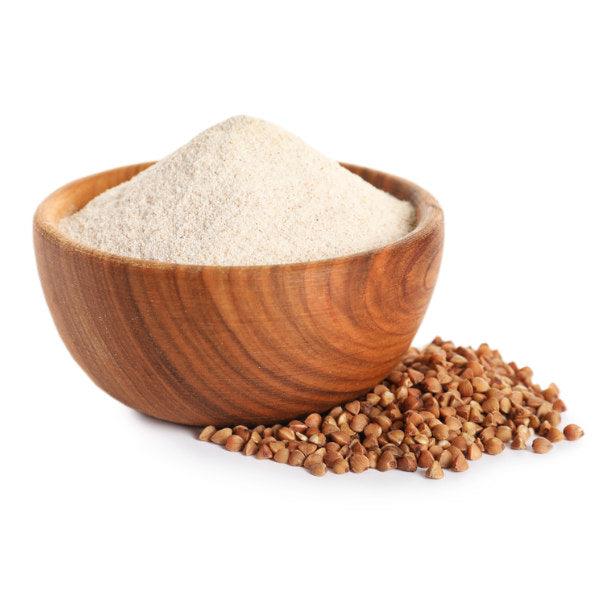
Buckwheat flour works brilliantly in pancakes, breads, and gluten-free baking blends.
Buckwheat vs Oats for Weight Loss & Blood Sugar
When comparing buckwheat vs oats for weight loss, buckwheat holds several advantages:
- Lower Calories: Cooked buckwheat contains only 92 calories per 100g, making it ideal for calorie-controlled diets.
- Lower GI: Buckwheat’s glycaemic index stays consistently low (around 50), while instant oats can spike to 79, causing mid-morning energy crashes.
- Complete Protein: Buckwheat delivers all essential amino acids; oats do not.
- True Gluten-Free: Oats contain avenin and carry high cross-contamination risk. Buckwheat is naturally and reliably gluten-free.
- Higher Rutin: Buckwheat contains roughly 1,800mg of rutin per 100g dry weight — oats contain none.
That said, oats excel in one area: beta-glucan soluble fibre, which is clinically proven to lower LDL cholesterol. The smartest approach? Rotate both grains throughout your week for maximum nutritional diversity.
Where to Buy Organic Buckwheat Flour & Groats in the UK
Finding organic buckwheat groats UK shoppers can trust is easier than ever. Here are the best options:
- Online Specialists: Buy Whole Foods Online, Healthy Supplies, and Forest Whole Foods offer bulk sizes from 500g to 25kg with free UK delivery thresholds.
- Supermarkets: Tesco, Sainsbury’s, and Waitrose now stock Infinity Foods and Doves Farm organic buckwheat groats and flour.
- Health Food Shops: Independent stores across Sussex, London, and the Midlands often carry locally packed buckwheat GB organic lines.
- What to Look For: EU Organic certification, Coeliac UK gluten-free approval (if needed), and clear origin labelling.
For the best value, consider buying organic buckwheat groats bulk buy UK options. A 5kg or 25kg sack significantly reduces the per-kilo cost and stores for 18–24 months in a cool, dry place.
Ready to Try Pure Organic Buckwheat from GB?
Browse our range of certified organic buckwheat groats and stone-ground buckwheat flour. Shop Organic Buckwheat Now — UK delivery available.
Frequently Asked Questions
Is buckwheat gluten free in the UK?
Yes, buckwheat is naturally gluten-free across the UK and worldwide. However, because of growing conditions and processing, it can become contaminated with wheat. Always choose a brand labelled gluten-free and certified by Coeliac UK to be certain it is safe for coeliacs.
What is the difference between raw buckwheat groats and kasha?
Raw buckwheat groats are the unprocessed, pale green seed with a mild, earthy flavour. Kasha is simply toasted buckwheat groats. The toasting process turns the groats a reddish-brown colour and gives them a stronger, nuttier flavour. Kasha also cooks in roughly half the time of raw groats.
How do I cook buckwheat groats in the UK?
Rinse 1 cup of raw organic buckwheat groats under cold water. Bring 2 cups of water to the boil, add the groats with a pinch of salt, then reduce to a simmer. Cover and cook for 10–12 minutes until tender. Remove from heat, let stand for 5 minutes, then fluff with a fork.
Where can I buy organic buckwheat flour in the UK?
You can buy organic buckwheat flour in the UK from health food shops, Whole Foods, independent organic stores, and online retailers such as Buy Whole Foods Online, Healthy Supplies, and major supermarkets. Look for EU Organic certification and gluten-free labelling if required.
Is buckwheat better than oats for weight loss?
Cooked buckwheat contains only 92 calories per 100g compared to higher-calorie alternatives, and it has a lower glycaemic index (GI around 50) than instant oats. Its high fibre and complete protein content help keep you fuller for longer, making it an excellent choice for weight management.
Can I eat buckwheat if I have diabetes?
Yes. Buckwheat has a low glycaemic index (between 30 and 50) and research shows it produces lower post-meal blood glucose and insulin responses compared to refined wheat products. Always opt for whole groats over processed buckwheat noodles or pancake mixes for the lowest GI impact.
What does buckwheat taste like?
Raw buckwheat groats have a mild, slightly nutty, earthy flavour — more subtle than quinoa. Toasted buckwheat (kasha) has a much stronger, roasted, almost smoky taste. Buckwheat flour adds a deep, earthy character to baked goods and pairs well with chocolate, banana, and spices.