
Organic Almonds Benefits 2026
Complete Nutrition Guide for Heart Health, Brain Power & Wellness
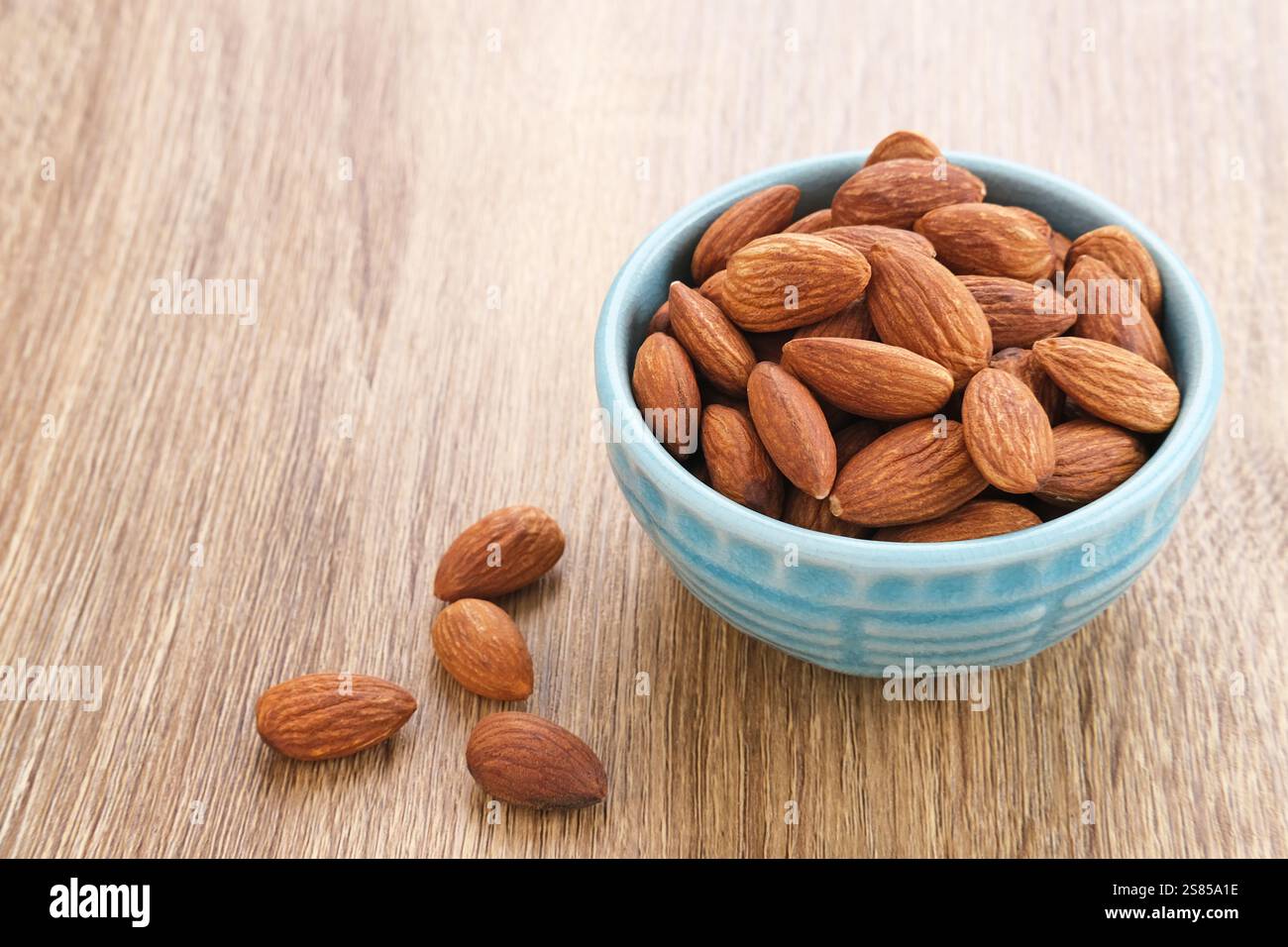
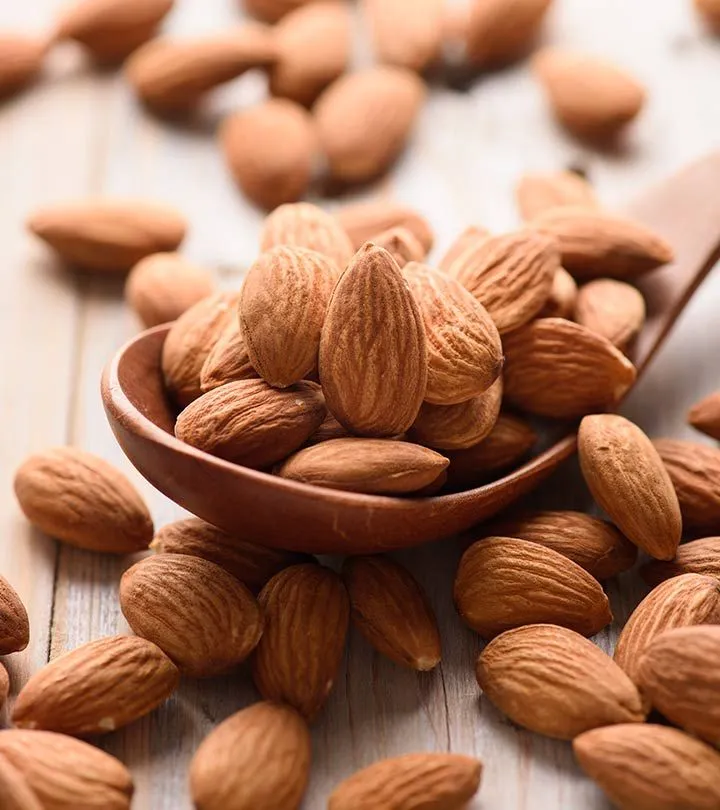
Organic almonds are nature’s nutritional powerhouses — crunchy, delicious seeds packed with an impressive array of vitamins, minerals, healthy fats, and antioxidants. Grown without synthetic pesticides, herbicides, or chemical fertilizers, certified organic almonds offer the purest form of this beloved superfood. In 2026, as health-conscious consumers prioritize clean eating and sustainable agriculture, organic almonds remain one of the most versatile and beneficial foods you can add to your daily diet. Whether enjoyed raw, roasted, as almond butter, or almond milk, these nutrient-dense nuts deliver profound health benefits backed by decades of scientific research.
What Are Organic Almonds?
Organic almonds are the edible seeds of the Prunus dulcis tree, cultivated using sustainable farming practices that exclude synthetic chemicals. According to Treehouse California Almonds, organic almond farming benefits both consumer health and soil ecosystem health. The organic cultivation method ensures that the final product is free from harmful pesticide residues while supporting biodiversity and environmental sustainability. Organic almonds are also naturally gluten-free, making them an excellent choice for those with celiac disease or gluten sensitivity.
Complete Nutritional Profile of Organic Almonds (per 28g / 1 oz serving)
| Nutrient | Amount | % Daily Value |
|---|---|---|
| Calories | 164 kcal | 8% |
| Protein | 6.0g | 12% |
| Total Fat | 14.1g | 22% |
| Monounsaturated Fat | ~9g | – |
| Carbohydrates | 6.1g | 2% |
| Dietary Fiber | 3.5g | 13% |
| Vitamin E | 7.3mg | 48% |
| Magnesium | 76.5mg | 18% |
| Manganese | 0.6mg | 27% |
| Copper | 0.3mg | 14% |
| Riboflavin (B2) | 0.3mg | 17% |
| Phosphorus | 136mg | 14% |
| Calcium | 76mg | 6% |
| Potassium | 208mg | 4% |
| Zinc | 0.9mg | 6% |
| Iron | 1.1mg | 6% |
Top 10 Science-Backed Organic Almonds Benefits
1. Exceptional Source of Vitamin E
Just one ounce of almonds provides 48% of your daily Vitamin E needs — one of the highest concentrations in any food. Vitamin E is a powerful fat-soluble antioxidant that protects cell membranes from oxidative damage and supports immune function.
2. Promotes Heart Health
The monounsaturated fats in almonds help lower LDL (bad) cholesterol while maintaining HDL (good) cholesterol. Studies show regular almond consumption reduces cardiovascular disease risk by up to 30%.
3. Supports Weight Management
Despite being calorie-dense, almonds promote satiety due to their protein, fiber, and healthy fat content. Research shows almond eaters tend to consume fewer calories overall and maintain healthier body weights.
4. Regulates Blood Sugar
Almonds are low in carbs but high in healthy fats, protein, and magnesium — all of which help regulate blood sugar. Studies show almonds can reduce the glycemic impact of meals when eaten together.
5. Boosts Brain Function
Rich in riboflavin and L-carnitine, almonds support brain health and cognitive function. Vitamin E has been linked to reduced cognitive decline and may lower the risk of Alzheimer’s disease.
6. Strengthens Bones
Almonds provide calcium, magnesium, and phosphorus — the trifecta for bone health. Regular consumption supports bone density and may help prevent osteoporosis, especially important for postmenopausal women.
7. Reduces Inflammation
A 2021 analysis of 18 clinical trials found that eating up to 60g of almonds daily reduces inflammation markers in the body. The antioxidants concentrated in the almond skin are particularly potent anti-inflammatory agents.
8. Supports Gut Health
The prebiotic fiber in almonds feeds beneficial gut bacteria, supporting a healthy microbiome. Research shows almond consumption increases the population of beneficial bacteria like Bifidobacterium and Lactobacillus.
9. Improves Skin Health
Vitamin E, healthy fats, and antioxidants in almonds nourish skin from within, promoting elasticity and a youthful glow. Almond oil is also widely used topically for skin hydration and anti-aging.
10. Provides Sustained Energy
The balanced macronutrient profile of almonds — protein, healthy fats, and fiber — provides steady, sustained energy without blood sugar spikes. Perfect for pre-workout fuel or afternoon energy slumps.

Organic vs. Conventional Almonds: What Matters
| Factor | Organic Almonds | Conventional Almonds |
|---|---|---|
| Pesticide Residues | None (certified organic) | Potentially present |
| Farming Method | Sustainable, eco-friendly | May use synthetic inputs |
| Soil Health | Promotes biodiversity | May deplete soil nutrients |
| Nutritional Value | Comparable or higher antioxidants | Standard nutritional profile |
| Environmental Impact | Lower carbon footprint | Higher environmental cost |
| Cost | Premium pricing | More affordable |
| Skin (Antioxidants) | Intact, rich in polyphenols | May vary |
Important Note: Research from Healthline confirms that the powerful antioxidants in almonds are largely concentrated in the brown skin layer. For maximum benefits, choose almonds with skin intact rather than blanched (skin-removed) varieties.
Best Ways to Enjoy Organic Almonds Daily
Daily Almond Wellness Rituals
- Morning Boost: Soak 8-10 almonds overnight and eat on an empty stomach for maximum nutrient absorption
- Smart Snacking: Carry a small portion (20-23 almonds) for a protein-rich, satisfying snack
- Smoothie Power: Blend raw almonds into smoothies for creaminess and nutrition
- Salad Crunch: Toast and sprinkle over salads for texture and healthy fats
- Homemade Almond Milk: Blend soaked almonds with water and strain for fresh, preservative-free milk
- Baking: Use almond flour for gluten-free, low-carb baking alternatives
- Almond Butter: Spread on toast or add to oatmeal for protein and healthy fats
- Trail Mix: Combine with dried fruits and dark chocolate for an energy-packed mix
Easy & Delicious Almond Recipes
Soaked Almonds (Traditional Ayurvedic Method)
Ingredients: 1 cup organic raw almonds, water
Method: Soak almonds in water overnight (8-12 hours). Peel the skin in the morning and eat 8-10 almonds on an empty stomach. Soaking increases nutrient bioavailability and makes them easier to digest.
Homemade Almond Butter
Ingredients: 2 cups roasted organic almonds, pinch of sea salt (optional)
Method: Process roasted almonds in a high-speed blender for 10-15 minutes, scraping down sides as needed, until smooth and creamy. Store in an airtight jar for up to 2 weeks.
Almond Energy Balls
Ingredients: 1 cup dates, 1 cup almonds, 2 tbsp cocoa powder, 1 tbsp coconut oil, pinch of salt
Method: Blend all ingredients in a food processor until sticky. Roll into balls and refrigerate for 30 minutes. Perfect pre-workout snack!
Recommended Daily Almond Intake
| Goal | Daily Amount | Best Time |
|---|---|---|
| General Wellness | 20-23 almonds (28g) | Anytime as snack |
| Weight Management | 15-20 almonds | Between meals |
| Heart Health | 30-40g daily | Morning or afternoon |
| Brain Function | 20 almonds | Morning with breakfast |
| Pre-Workout | 15 almonds | 30 min before exercise |
| Soaked (Ayurvedic) | 8-10 almonds | On empty stomach |
Stock Up on Premium Organic Almonds
Our certified organic almonds are sourced from the finest orchards, minimally processed, and packed with nutrients. Perfect for snacking, cooking, baking, and wellness routines.
Shop Organic Almonds NowFrequently Asked Questions About Organic Almonds
How many almonds should I eat per day?
The recommended serving is about 20-23 almonds (28g or 1 ounce) per day. This amount provides optimal nutrition without excessive calorie intake. For soaked almonds, 8-10 nuts on an empty stomach is the traditional recommendation.
Should I eat almonds with or without skin?
For maximum health benefits, eat almonds with the skin intact. The brown skin contains the highest concentration of antioxidants and polyphenols. Blanching or removing the skin reduces antioxidant capacity significantly.
Are almonds good for weight loss?
Yes! Despite being calorie-dense, almonds promote satiety and reduce overall calorie consumption. Studies show regular almond eaters tend to have lower BMIs. The key is portion control — stick to the recommended 1-ounce serving.
Can diabetics eat almonds?
Absolutely. Almonds are low in carbs and high in fiber, healthy fats, and magnesium — all of which help regulate blood sugar. They have a very low glycemic index and can even reduce the glycemic impact of other foods when eaten together.
What’s the best way to store organic almonds?
Store almonds in an airtight container in a cool, dark place for up to 2 months. For longer storage (up to 1 year), keep them in the refrigerator or freezer to prevent the healthy fats from going rancid.
Are soaked almonds better than raw almonds?
Soaking almonds overnight increases nutrient bioavailability, reduces phytic acid (which can inhibit mineral absorption), and makes them easier to digest. Both raw and soaked almonds are healthy — soaking simply enhances benefits.
Related Products from Adventure GB
Trusted External Sources
Learn more about almonds from these authoritative sources: