
Organic Walnut Benefits 2026
Brain Power, Heart Health & Complete Nutrition Guide

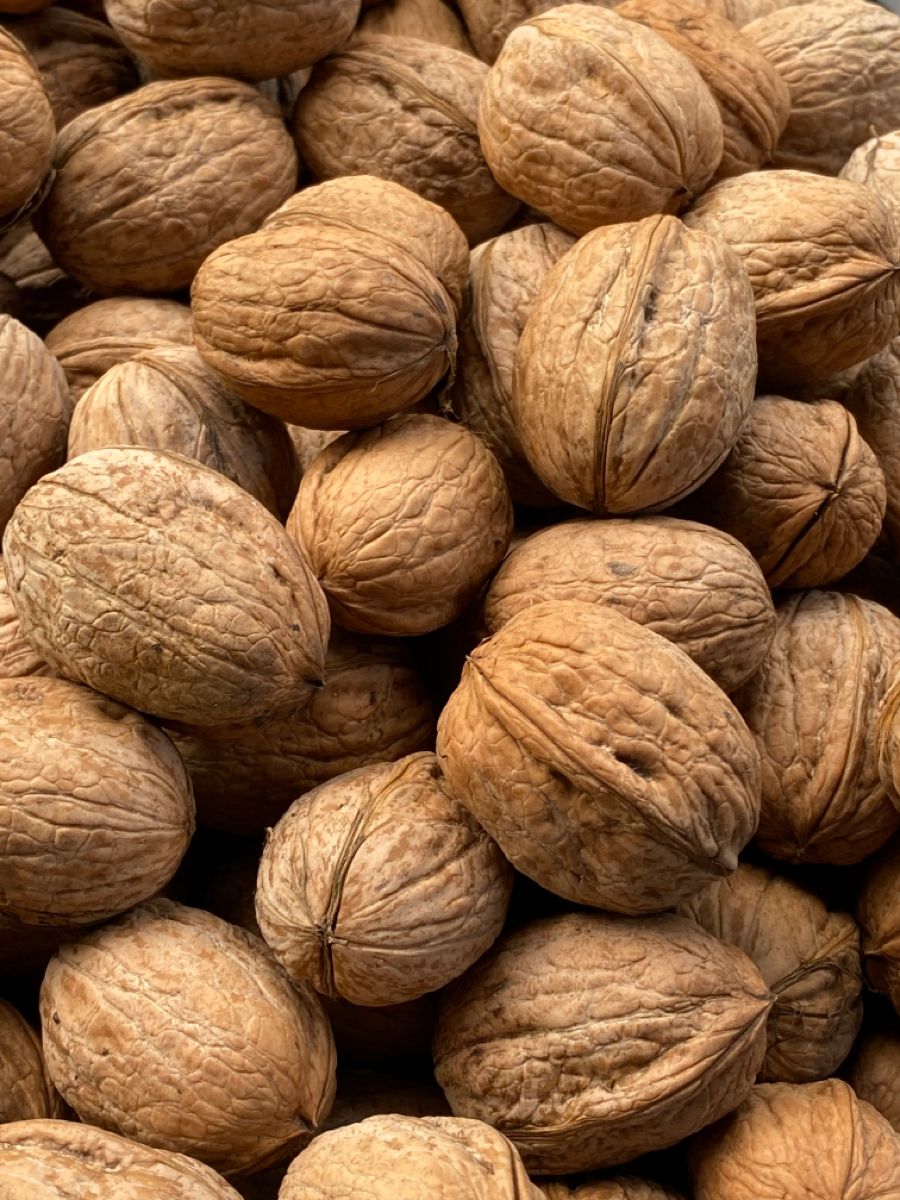
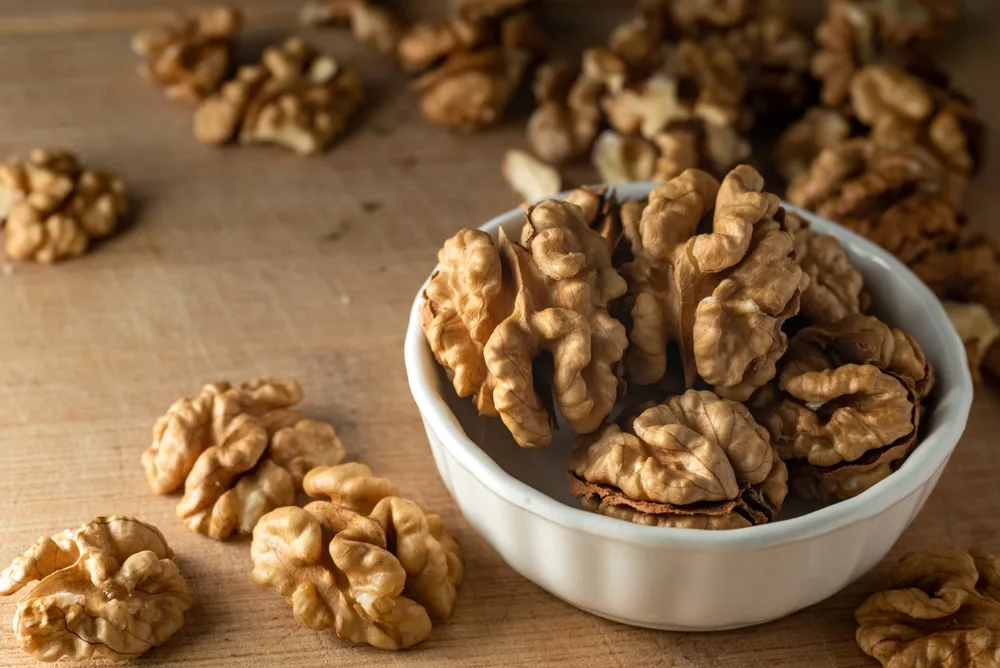
Organic walnuts are one of nature’s most nutrient-dense superfoods, celebrated for centuries as a symbol of intelligence and longevity. Shaped remarkably like the human brain, these crinkled nuts are packed with the highest concentration of omega-3 ALA of any tree nut, powerful antioxidants, and a unique blend of polyphenols that support everything from cognitive function to cardiovascular health. In 2026, as research continues to unlock the profound benefits of walnuts, premium organic walnuts remain an essential addition to any health-conscious diet. Whether you are seeking to boost memory, protect your heart, or simply enjoy a delicious, satisfying snack, organic walnuts deliver unparalleled nutritional value in every bite.
What Makes Organic Walnuts Special?
Walnuts (Juglans regia) are nutrient-dense tree nuts that originated in the Mediterranean region and Central Asia, and have been part of the human diet for thousands of years. According to Healthline, walnuts are primarily made up of protein and polyunsaturated fat, and they contain a relatively high percentage of omega-3 fat, which has been linked to numerous health benefits. What sets organic walnuts apart is their cultivation without synthetic pesticides, herbicides, or chemical fertilizers, ensuring a cleaner, purer product that retains the full spectrum of bioactive compounds nature intended. The American Heart Association has identified walnuts as a “heart-healthy” food, recommending them as a replacement for saturated fats in a healthy diet.
Complete Nutritional Profile of Organic Walnuts (per 1 oz / 28g serving)
| Nutrient | Amount | % Daily Value |
|---|---|---|
| Calories | 185 kcal | 9% |
| Protein | 4.3g | 9% |
| Total Fat | 18.5g | 28% |
| Polyunsaturated Fat | 13.4g | – |
| Omega-3 ALA | 2.5g | – |
| Omega-6 Linoleic Acid | 10.8g | – |
| Carbohydrates | 3.9g | 1% |
| Dietary Fiber | 1.9g | 7% |
| Sugar | 0.7g | – |
| Copper | 0.45mg | 50% |
| Manganese | 0.97mg | 42% |
| Magnesium | 45mg | 11% |
| Phosphorus | 98mg | 10% |
| Vitamin B6 | 0.15mg | 9% |
| Folate (B9) | 28mcg | 7% |
| Vitamin E (gamma-tocopherol) | 2.6mg | 17% |
| Iron | 0.82mg | 5% |
| Zinc | 0.88mg | 6% |
| Polyphenols | 1,556mg | – |
| Melatonin | 3.5mcg | – |
Top 10 Science-Backed Organic Walnut Benefits
1. Richest Source of Omega-3 ALA
Walnuts are the only nut significantly high in omega-3 ALA, with 2.5g per ounce. This essential fatty acid reduces inflammation, supports heart health, and serves as a precursor for EPA and DHA. For each gram of ALA consumed daily, heart disease mortality risk drops by 10%.
2. Superior Brain Health & Memory
The antioxidants and polyphenols in walnuts improve cognitive function and may slow mental decline. Studies show regular walnut consumption improves memory, comprehension, and mental processing speed in older adults, and may reduce dementia and Alzheimer’s risk.
3. Powerful Heart Protection
Walnuts lower total cholesterol by up to 3%, LDL (bad) cholesterol by up to 4%, and triglycerides by up to 5%. They also improve artery function and reduce blood pressure, earning the American Heart Association’s “heart-healthy” certification.
4. Antioxidant Powerhouse
Walnuts ranked second in antioxidant content among 1,113 foods tested. Rich in ellagic acid, ellagitannins, catechin, and melatonin, they combat oxidative stress and free radical damage that leads to chronic disease and premature aging.
5. Supports Healthy Weight
Despite being calorie-dense, walnuts promote satiety and do not increase obesity risk. A 2025 meta-analysis of 32 RCTs found walnut supplementation actually reduced body weight. The fiber and healthy fats keep you full longer, reducing overall calorie intake.
6. Improves Gut Microbiome
Daily walnut consumption increases beneficial gut bacteria including Bifidobacterium and Lactobacillus. The prebiotic fiber and polyphenols feed good microbes, supporting digestion, immunity, and even mental health through the gut-brain axis.
7. Anti-Inflammatory Properties
Walnuts contain ALA, arginine, polyphenols, and magnesium that work synergistically to fight chronic inflammation — a root cause of heart disease, diabetes, arthritis, and cancer. Regular consumption reduces inflammatory markers systemically.
8. Cancer Risk Reduction
Ellagitannins in walnuts are converted by gut bacteria into urolithins — compounds with potent anti-cancer activity. Studies link walnut consumption to reduced risk of breast, colon, and prostate cancer through antioxidant and anti-inflammatory mechanisms.
9. Better Blood Sugar Control
Walnuts improve insulin sensitivity and help regulate blood glucose levels. Their low carbohydrate content, combined with healthy fats and magnesium, makes them ideal for diabetes management and metabolic syndrome prevention.
10. Promotes Healthy Skin & Hair
The omega-3s, vitamin E, and polyphenols in walnuts nourish skin from within, improving elasticity and reducing signs of aging. Walnut oil applied topically may help treat eczema, psoriasis, and acne while promoting shiny, strong hair.
Organic Walnuts vs. Other Nuts: Omega-3 Comparison
| Nut (per 1 oz) | Omega-3 ALA | Omega-6 | Total Antioxidants | Polyphenols |
|---|---|---|---|---|
| Walnuts | 2.5g | 10.8g | Very High | 1,556mg |
| Almonds | 0g | 3.5g | Moderate | Medium |
| Cashews | 0g | 2.2g | Low | Low |
| Pistachios | 0g | 4.0g | Moderate | Medium |
| Brazil Nuts | 0g | 5.7g | Moderate | Low |
| Chilghoza (Pine Nuts) | 0g | 9.4g | Moderate | Medium |
Source: USDA FoodData Central & antioxidant research databases. Walnuts are uniquely the only tree nut with significant omega-3 ALA content.
How to Choose & Store Premium Organic Walnuts
Selection & Storage Guide
- Look for: Plump, light-colored kernels with intact skins — the brown skin holds the highest antioxidant concentration
- Avoid: Shriveled, rubbery, or bitter-tasting walnuts, which indicate rancidity
- Smell test: Fresh walnuts have a mild, nutty aroma — any paint-like or sour smell means they’ve gone bad
- Storage: Keep in an airtight container in the refrigerator for up to 3 months, or freeze for up to 1 year
- Tip: Walnuts absorb odors easily, so store away from strong-smelling foods like onions or garlic
Best Ways to Enjoy Organic Walnuts Daily
Daily Walnut Wellness Rituals
- Morning Brain Boost: Soak 4-5 walnuts overnight and eat on an empty stomach for maximum omega-3 absorption
- Smart Snacking: Carry a small portion (12-14 halves / 1 oz) for a protein-rich, satisfying snack
- Smoothie Power: Blend into morning smoothies with banana, spinach, and almond milk
- Salad Topper: Toast lightly and sprinkle over green salads, grain bowls, or soups
- Breakfast Upgrade: Add to oatmeal, yogurt, or cereal for crunch and sustained energy
- Homemade Pesto: Replace pine nuts with walnuts for a budget-friendly, omega-3-rich pesto
- Baking: Incorporate into muffins, banana bread, and granola bars
- Walnut Milk: Blend soaked walnuts with water and strain for fresh, preservative-free nut milk
- Trail Mix: Combine with dried fruits, dark chocolate, and other nuts for an energy-packed mix
Recommended Daily Walnut Intake
| Goal | Daily Amount | Best Time |
|---|---|---|
| General Wellness | 1 oz (12-14 halves / 28g) | Anytime as snack |
| Brain Health & Memory | 1-1.5 oz | Morning with breakfast |
| Heart Health | 1.5 oz (5 servings/week) | Morning or afternoon |
| Weight Management | 1 oz | Between meals |
| Soaked (Ayurvedic) | 4-5 walnuts | On empty stomach |
| Pre-Workout | 0.5 oz | 30 min before exercise |
The 2020-2025 Dietary Guidelines for Americans recommend about 5 oz of nuts per week for a 2,000 calorie diet. One serving of walnuts provides 2g fiber, 4g protein, and 18g healthy fat.
Experience Premium Organic Walnuts
Our certified organic walnuts are sourced from the finest orchards, minimally processed, and packed with omega-3s, antioxidants, and pure mountain goodness. Perfect for snacking, cooking, baking, and daily wellness routines.
Shop Organic Walnuts NowFrequently Asked Questions About Organic Walnuts
How many walnuts should I eat per day?
The recommended serving is 1 ounce (about 12-14 halves or 28g) per day. This provides optimal omega-3 ALA, antioxidants, and protein without excessive calorie intake. For brain health benefits, 1.5 oz daily may be even more effective.
Are walnuts good for brain health?
Yes! Walnuts are exceptionally good for brain health due to their high omega-3 ALA, polyphenols, and vitamin E content. Studies show regular consumption improves memory, comprehension, and may reduce the risk of Alzheimer’s disease and dementia.
Can walnuts help with weight loss?
Absolutely. Despite being calorie-dense, walnuts promote satiety and have been shown to reduce body weight in clinical studies. The fiber, protein, and healthy fats keep you full longer, naturally reducing overall calorie consumption.
Should I eat walnuts with or without skin?
Always eat walnuts with the skin intact. The brown papery skin contains the highest concentration of antioxidants and polyphenols. Removing the skin significantly reduces the health benefits — up to 90% of antioxidants are in the skin.
Are soaked walnuts better than raw?
Soaking walnuts overnight (6-8 hours) increases nutrient bioavailability, reduces phytic acid, and makes them easier to digest. Both raw and soaked walnuts are healthy — soaking simply enhances absorption and digestibility.
Can diabetics eat walnuts?
Yes, walnuts are excellent for diabetics. They have a very low glycemic index, improve insulin sensitivity, and help regulate blood sugar. The magnesium content also supports healthy glucose metabolism. Stick to the recommended 1 oz serving.
Related Products from Adventure GB
Trusted External Sources
Learn more about walnuts from these authoritative sources: