
Natural Honey Benefits 2026
Raw Organic Honey for Immunity, Energy, Skin & Wellness
Natural honey is one of the most remarkable gifts from nature — a golden elixir that has been treasured by civilizations for over 8,000 years. Unlike processed sugars, raw organic honey is a complex superfood packed with enzymes, antioxidants, vitamins, and minerals that support overall health and wellness. In 2026, as consumers increasingly seek clean, natural alternatives to refined sugar, pure natural honey stands out as the ultimate natural sweetener with profound health benefits.
What Makes Raw Natural Honey Special?
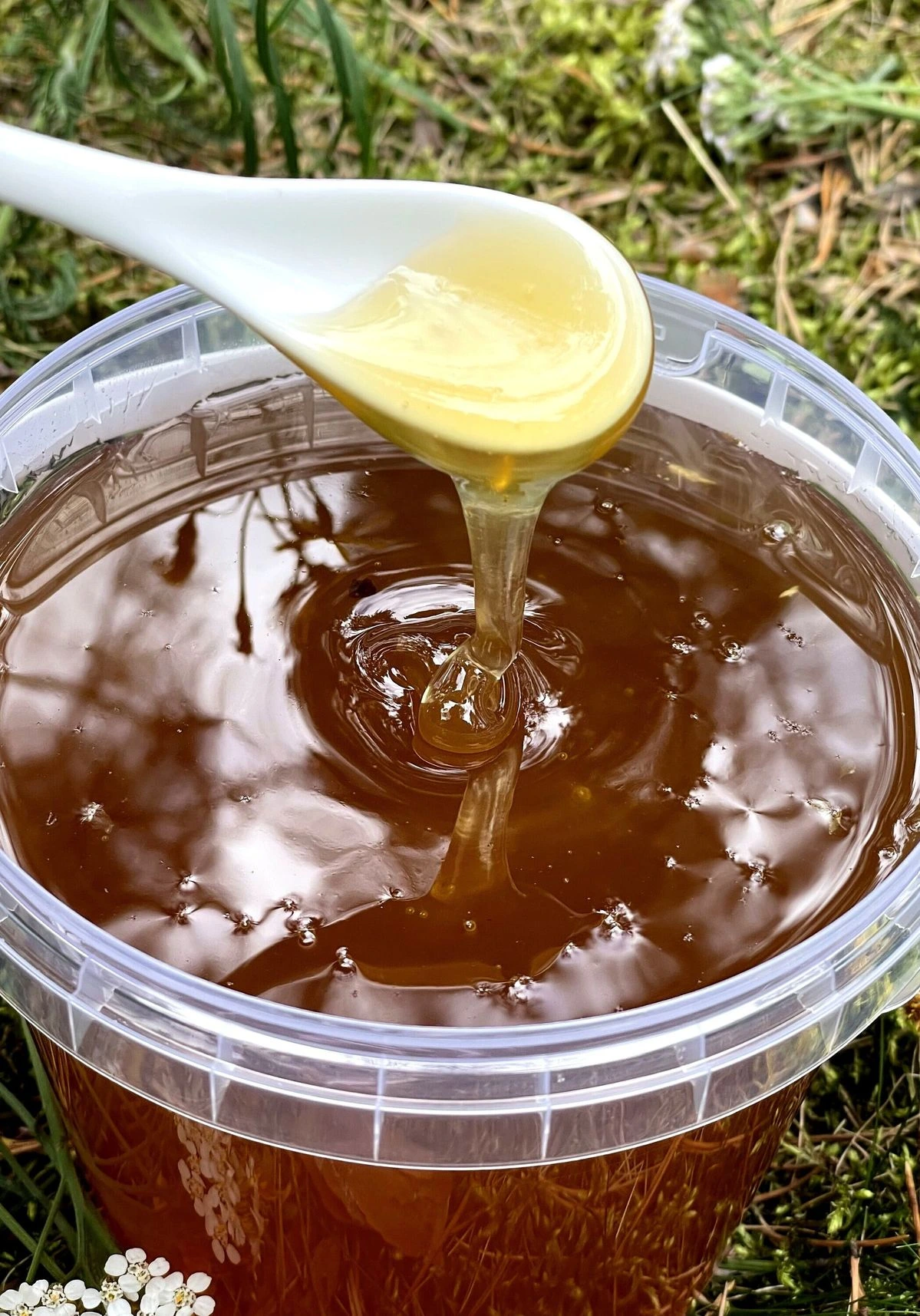
Raw honey is honey that has not been pasteurized or overheated during processing. Unlike conventional honey that undergoes high-heat treatment, natural honey retains its full spectrum of bioactive compounds including enzymes, antioxidants, pollen, and beneficial plant nutrients. According to Cleveland Clinic, raw honey contains both flavonoids and polyphenols — powerful compounds with anti-inflammatory and antioxidant properties.
Nutritional Profile of Raw Natural Honey (per 1 tbsp / 21g)
- Calories: 64 kcal
- Carbohydrates: 17g (natural sugars: glucose & fructose)
- Antioxidants: Flavonoids, polyphenols, phenolic acids
- Enzymes: Diastase, invertase, glucose oxidase, catalase
- Vitamins: B-complex, Vitamin C (trace amounts)
- Minerals: Calcium, magnesium, potassium, zinc, iron, phosphorus
- Amino Acids: 18+ essential and non-essential amino acids
- Prebiotics: Oligosaccharides that feed beneficial gut bacteria
Top 10 Science-Backed Natural Honey Benefits
1. Powerful Antioxidant Source
Raw honey contains polyphenols and flavonoids that act as potent antioxidants. Some varieties contain as many antioxidants as fruits and vegetables, helping combat oxidative stress and cellular damage.
2. Natural Immunity Booster
Honey’s antimicrobial and antibacterial properties support immune function. The phytonutrients in honey provide immune-boosting benefits that heavy processing in regular honey destroys.
3. Soothes Coughs & Sore Throats
The WHO and American Academy of Pediatrics both endorse honey as a natural cough remedy. Studies show 2 teaspoons of honey can relieve nighttime cough better than some OTC medications.
4. Supports Digestive Health
Raw honey contains beneficial prebiotics that nourish gut bacteria. Research suggests oregano honey may help treat H. pylori, a common cause of stomach ulcers.
5. Natural Energy Booster
Honey provides easily digestible carbohydrates for quick energy. Unlike refined sugar, honey delivers sustained energy alongside beneficial plant compounds — perfect for athletes and active lifestyles.
6. Promotes Wound Healing
Manuka and medical-grade honey have been used clinically to treat burns and pressure ulcers. Honey’s antibacterial and anti-inflammatory properties accelerate tissue regeneration.
7. Supports Heart Health
Research indicates honey may help reduce cholesterol levels. One study found total cholesterol, LDL, and triglycerides decreased in participants consuming 70g honey daily for 4 weeks.
8. Improves Skin Health
Raw honey’s hydrating, antibacterial, and anti-inflammatory properties make it excellent for acne treatment, skin hydration, and anti-aging. The enzyme catalase helps relieve minor inflammation.
9. Supports Brain Health
A 2022 review suggests honey may support memory function, provide neuroprotective effects, and potentially reduce risks of neurodegenerative conditions like Alzheimer’s disease.
10. Better Than Refined Sugar
As a natural sweetener, honey has a lower glycemic index than sugar and provides nutritional value beyond empty calories. It’s a smarter choice for blood sugar management.
Raw Honey vs. Processed Honey: What’s the Difference?
| Feature | Raw Natural Honey | Processed Honey |
|---|---|---|
| Heat Treatment | Minimal / None | High heat pasteurization |
| Enzymes | Fully preserved | Mostly destroyed |
| Antioxidants | Higher concentration | Significantly reduced |
| Pollen Content | Present | Filtered out |
| Additives | None | Sometimes added |
| Flavor Profile | Complex, floral, varied | Uniform, mild |
| Shelf Life | Indefinite when stored properly | Extended through processing |
How to Choose the Best Natural Honey
When shopping for premium natural honey, look for these quality indicators:
- Label Says “Raw”: Look specifically for “raw” on the label — terms like “natural,” “organic,” or “pure” don’t guarantee it’s unpasteurized
- Single Origin: Honey from a specific region or flower source ensures quality and traceability
- Minimal Filtering: Slight cloudiness or particles indicate minimal processing and preserved nutrients
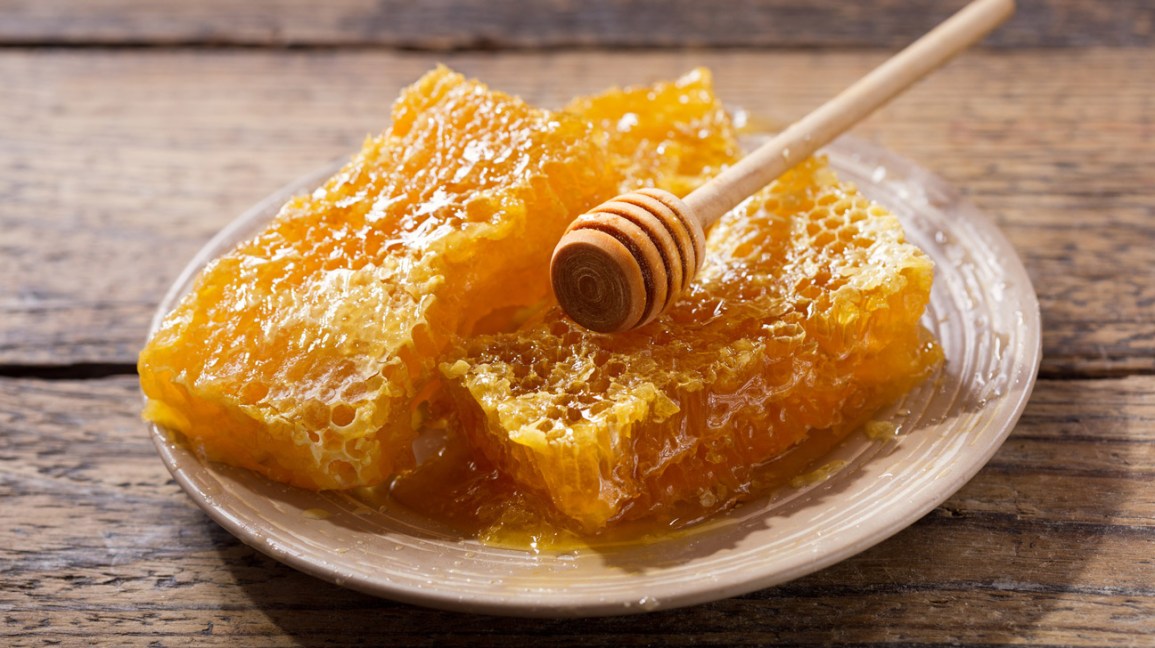
- Crystallization: Natural raw honey crystallizes over time — this is a sign of authenticity, not spoilage
- Source Transparency: Reputable producers share information about their beekeeping practices and harvest locations
Best Ways to Use Natural Honey Daily
Daily Honey Wellness Rituals
- Morning Boost: 1 tbsp in warm water with lemon for digestion and energy
- Pre-Workout: Spread on toast or add to smoothies for natural fuel
- Tea Sweetener: Add to warm (not boiling) herbal teas for immune support
- Skin Mask: Apply raw honey directly to face for 15-20 minutes, then rinse
- Sleep Aid: 1 tsp in warm milk before bed supports restful sleep
- Cough Relief: 2 tsp before bed or mixed with ginger tea
- Salad Dressing: Whisk with olive oil and lemon for a healthy dressing
Taste Nature’s Purest Sweetener
Experience the authentic flavor and health benefits of our premium raw natural honey, sourced from pristine meadows and minimally processed to preserve every nutrient.
Shop Natural Honey NowFrequently Asked Questions About Natural Honey
Is raw honey safe for everyone?
Raw honey is safe for adults and children over 1 year old. Never give honey to infants under 12 months due to the risk of infant botulism. People with bee pollen allergies should exercise caution.
Does honey expire?
Pure honey has an indefinite shelf life when stored properly in a sealed container away from light and moisture. Archaeologists have found 3,000-year-old honey in Egyptian tombs that was still edible!
Why has my honey crystallized?
Crystallization is completely natural and safe. It occurs when glucose separates from water. To return to liquid form, place the container in warm (not boiling) water. Never microwave honey as it destroys beneficial enzymes.
How much honey should I eat daily?
Healthcare professionals recommend 1-2 tablespoons (15-30g) of honey daily as part of a balanced diet. Remember, honey is still a form of sugar and should be consumed in moderation.
Is honey better than sugar for diabetics?
While honey has a lower glycemic index than refined sugar and contains beneficial nutrients, people with diabetes should still consume it in moderation and consult their healthcare provider.
Related Products from Adventure GB
Trusted External Sources
Learn more about honey from these authoritative sources: